
- News & Comment
-
Online Shop
Online Services
Looseleafs
Law Reports
Books and eBooks
-
CPD & Events
Webinars
- Authors
- About Family Law
- Contact
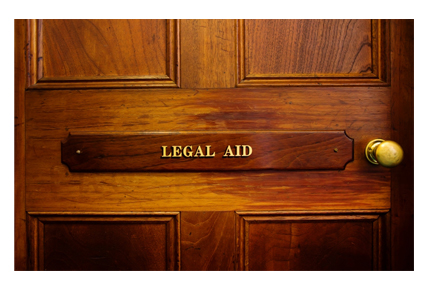
The Justice Select Committee has criticised the government’s response to its recommendations on access to justice and legal aid, describing it as “highly disappointing” and “inadequate”, and warning that legal aid remains a service in “managed decline”.
The Committee said the Ministry of Justice had failed to specify which recommendations it accepted or rejected, or provide justification for its approach, despite being given an extended period to respond. It also criticised the government for failing to set out clear plans or timescales for implementing changes.
In a joint statement, Committee members said the government had provided a “narrative response” that did not adequately address the recommendations made in its July 2026 report, Access to Justice: Legal Aid.
The report warned that the declining availability of legal aid, coupled with increasing numbers of people representing themselves in court, created an unacceptably high risk of miscarriages of justice.
Among its recommendations, the Committee called for legal aid income and capital eligibility thresholds to be brought into line with those proposed in the 2022 Legal Aid Means Test Review. It also recommended removing the means test entirely for certain civil cases, including legal representation for children and for parents involved in proceedings concerning life-sustaining treatment for their children.
The Committee said the government's response, received in mid-October, had overlooked the central proposition that the Lord Chancellor had a duty to secure the availability of legal aid.
It argued that this could include the Legal Aid Agency (LAA) offering stronger contractual or financial incentives in areas where conventional procurement arrangements had failed to secure sufficient provision.
The Committee said it remained deeply concerned that the government's policy approach would not adequately address the problems identified in its report.
It had recommended that ministers urgently prioritise restoring legal aid as an effective, sustainable and accessible service for those most in need, but concluded that the response reinforced its view that the system was in managed decline.

Law Society President Brett Dixon also criticised the government's engagement with the recommendations, saying the Committee had made a compelling case for accessible legal aid but that ministers had failed to respond adequately.
He welcomed the Committee's recognition of shortcomings in the government's approach, particularly concerning court reforms and investment in civil legal aid covering family, housing and other everyday legal issues.
Dixon said that, if the government was serious about halving violence against women and girls, it should set a date for publishing a Family Justice Strategy with legal aid at its centre. He added that access to criminal legal aid must also be central to reform, warning that changes would otherwise risk failing the people they were intended to serve.
He expressed particular concern about the lack of criminal legal aid reform while the Courts and Tribunals Bill progressed through Parliament, arguing that the government's response suggested the Bill's legal aid implications were being treated as an afterthought.
Without a functioning legal aid system, he warned, justice could become inaccessible to many people.
Responding to the Committee's report, Sarah Sackman KC MP, Minister for Courts and Legal Services, acknowledged that legal aid was facing significant challenges.
She said the government had inherited a system in crisis when it took office in 2024 and that, within a constrained fiscal environment, her priority had been to stabilise the service and address its underlying problems before pursuing longer-term reform.
Sackman said she was proud of the government's achievements during its first two years but acknowledged that further work was needed. She also noted that the government was still finalising its position on some of the key issues raised by the Committee.