
- News & Comment
-
Online Shop
Online Services
Looseleafs
Law Reports
Books and eBooks
-
CPD & Events
Webinars
- Authors
- About Family Law
- Contact
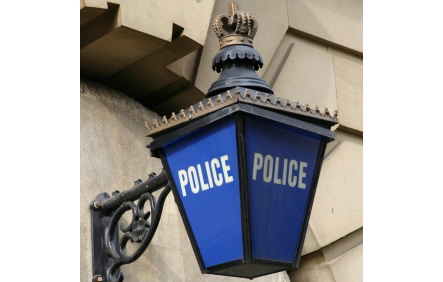
All police forces in England and Wales will have specialist rape and sexual offence teams by December 2027 under measures announced by the Government to strengthen the response to violence against women and girls.
The rollout, originally scheduled to be completed by summer 2029, will be accelerated following concerns from Prime Minister Andy Burnham that the existing timetable was “too slow”.
The Home Office has also announced that domestic abuse protection orders will be expanded to cover all forms of domestic abuse, including physical abuse, controlling or coercive behaviour, economic abuse and stalking.
Up to 10 police forces will receive a share of £13.3 million to pilot specialist protection order teams and develop new approaches to enforcing the orders. The measures are intended to strengthen the management of perpetrators and provide greater protection for victims and survivors.
The expanded orders will have no maximum duration, meaning victims will not have to make repeated applications to maintain protection. Existing protection orders will also be expanded to cover stalking, sexual harm and forced marriage.
Domestic abuse specialists will be placed in 999 control rooms, while online operatives will use intelligence and covert techniques to identify and tackle abuse taking place online.
The specialist rape and sexual offence teams will focus on investigating rape and sexual offences, supporting victims and bringing perpetrators to justice.
The measures form part of the Government’s strategy to reduce violence against women and girls. Mr Burnham said the scale of violence and abuse suffered by women and girls was “unacceptable”, adding that the Government would accelerate the introduction of specialist teams and invest in programmes to intensively manage offenders.
Safeguarding and Violence Against Women and Girls Minister Satvir Kaur said the measures would strengthen the response to perpetrators while helping victims “live their life without fear”.

However, Refuge welcomed the measures while warning that they represented only part of the wider change required to improve protection and support for victims and survivors.
The charity’s head of policy and public affairs, Ellie Butt, said protection orders were “highly under-utilised” and that enforcement was often inadequate where survivors had secured an order.
Refuge said investment in specialist protection order teams was essential but argued that they should also help address policing practices that can discourage survivors from reporting abuse.
The charity also called for increased, long-term investment in specialist domestic abuse services, warning that many were under significant financial pressure following years of underfunding.
The accelerated rollout and expansion of protection orders come as the Government seeks to meet its commitment to halve violence against women and girls, with the measures placing greater emphasis on specialist policing, perpetrator management and longer-term protection for victims.