
- News & Comment
-
Online Shop
Online Services
Looseleafs
Law Reports
Books and eBooks
-
CPD & Events
Webinars
- Authors
- About Family Law
- Contact
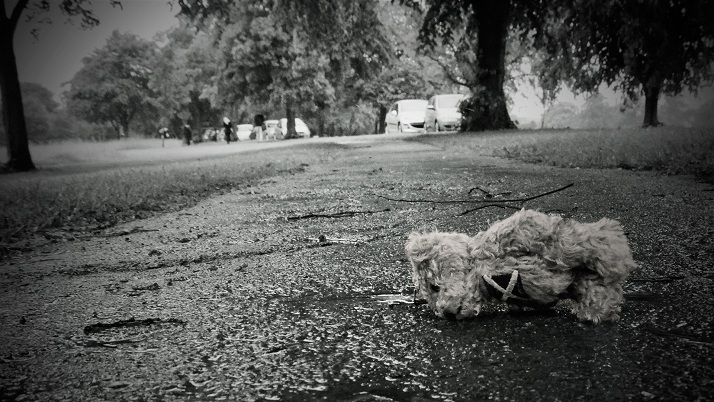
Ofsted, the Care Quality Commission (CQC), HM Inspectorate of Constabulary and Fire & Rescue Services (HMICFRS) and HM Inspectorate of Probation (HMIP) are to begin a new programme of joint targeted area inspections (JTAIs) examining how local agencies respond to younger children living with neglect.
The inspections, which are due to begin in autumn 2026, will focus on unborn children and children aged up to 11. Inspectors will assess how children’s social care, police, probation and health services work together to identify and respond to neglect, including how they assess referrals, make decisions and provide protection and support.
The inspections will also consider the contribution of education and early years providers and the voluntary and community sector. Inspectors will examine how effectively children’s family networks are involved and supported to help protect children safely.
The programme follows previous Ofsted work which identified the need for a coordinated approach between agencies in responding to neglect. In 2018, Ofsted published a report on older children experiencing neglect, finding that neglect could go unseen and that harm could build gradually without being addressed.
The new inspections will specifically consider younger children because of concerns about the impact of neglect during the earliest years of a child’s life.
Yvette Stanley, Ofsted’s National Director, Social Care, said the previous work had shown that neglect could be missed, leaving children to experience accumulating harm. She said concerns raised by families, professionals and the public about the impact of neglect on younger children made it appropriate to focus the upcoming JTAIs on this age group.
The inspections will also assess the role of police and probation services in safeguarding children. HMICFRS said the programme would provide insight into how effectively local partners identify, respond to and support young children experiencing neglect.
HMIP said probation services have a role in assessing and managing risks posed by adults whose behaviour may affect children, sharing information and contributing to safeguarding arrangements.
The four inspectorates have published guidance setting out the scope of the inspections and the areas that will be examined.