
- News & Comment
-
Online Shop
Online Services
Looseleafs
Law Reports
Books and eBooks
-
CPD & Events
Webinars
- Authors
- About Family Law
- Contact
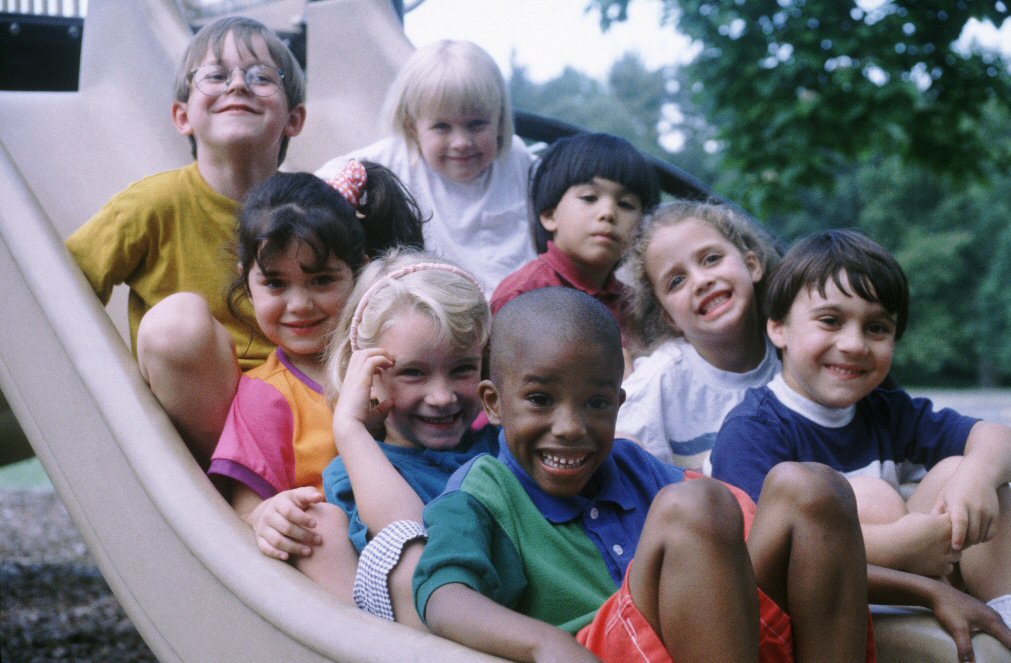
Councils in England spent £9.5bn supporting children in care in 2025/26, an increase of almost a third in real terms since 2022/23, according to analysis by the Local Government Association (LGA).
The figures show that spending on looked-after children rose from £6.6bn in 2022/23 to £9.5bn in 2025/26, representing an average annual increase of approximately £1bn over the three-year period. After adjusting for inflation, expenditure increased by 29.1%.
The LGA said the figures highlighted growing financial pressures on councils, which recorded cumulative in-year overspends of £3.2bn over the same period as the costs of providing children’s social care continued to rise.
The association attributed much of the increase to escalating placement costs and a shortage of suitable provision for children with increasingly complex needs. Previous LGA research found that the number of children’s home placements costing £10,000 or more per week increased from 120 to 1,500 between 2018 and 2023.
The LGA said high costs were driven by the complexity of children’s needs, the lack of appropriate homes and difficulties faced by councils when commissioning placements.


Ahead of the Autumn Budget, the association has called on the Government to provide sustainable, long-term funding for children’s social care that reflects increasing demand and cost pressures.
It has also called for a cross-government strategy for children, young people and families to ensure that public services and other partners work towards shared objectives.
Cllr Natalie Oliver, chair of the LGA’s Children, Young People and Families Committee, said the figures demonstrated the financial pressures councils faced in providing support for children in care.
She called for the Government’s reforms to the children’s placements market to deliver sustainable improvements and for adequate funding for children’s services to be provided in the Autumn Budget.
Oliver also stressed the importance of investing in early intervention and prevention, including health services, to help prevent children and families from reaching crisis point.