
- News & Comment
-
Online Shop
Online Services
Looseleafs
Law Reports
Books and eBooks
-
CPD & Events
Webinars
- Authors
- About Family Law
- Contact
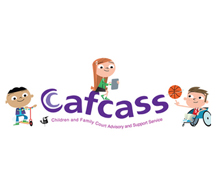
The Children and Family Court Advisory and Support Service (Cafcass) has released a new animated film aimed at helping children and young people better understand and prepare for their first meeting with a family court adviser.
The film, titled Meeting your Cafcass Worker, forms the third instalment in the organisation’s Taking Me Seriously series. The project is designed to support children involved in family court proceedings by explaining key stages of the process and encouraging them to share their experiences, wishes and feelings.
According to Cafcass, the animation aims to help children feel more comfortable when speaking to professionals involved in their case. It encourages them to think about what they might want to say when meeting their Cafcass worker and reassures them that it is normal to feel worried ahead of the first conversation.
As with the earlier films in the series, Letting You Know How We Help and Sharing Our Recommendations With You, the voices featured in the animation come from members of the Family Justice Young People’s Board, whose participants have personal experience of family court proceedings. The animation was produced by the creative company My Pockets.

Members of the Young People’s Board said the film aims to reassure children that Cafcass workers are there to support them and to listen to their needs. They also suggested the animation could help professionals understand how children may feel before their first meeting in the family justice process.
Chief Executive Jacky Tiotto said the initiative reflects Cafcass’s wider ambition to ensure children’s voices remain central to decisions affecting their lives. She emphasised that helping children develop trust with the adult representing their interests before the court is essential to ensuring their experiences and views are properly understood.
Tiotto added that the film is intended to help children describe what life is like for them and to encourage professionals involved in family cases to prioritise creating safe and supportive environments for those conversations.
A British Sign Language version has also been produced to improve accessibility for children and families who use BSL.